
Trade Insights
Himalayan Pink Salt Grades and Grain Sizes, Explained
Fine powder, coarse granules or large chunks — the grade you choose decides how the salt behaves. Here is how buyers specify it.
When buyers ask for Himalayan pink salt, the first question is rarely about colour. It is about grain size — because the same salt behaves very differently as a fine powder, a coarse granule or a large chunk.
Fine powder
Fine powder dissolves fast and blends evenly, which is why it suits table salt, seasoning blends and fine food manufacturing. It is also the grade most often used for retail shakers and pouches.
Coarse granules
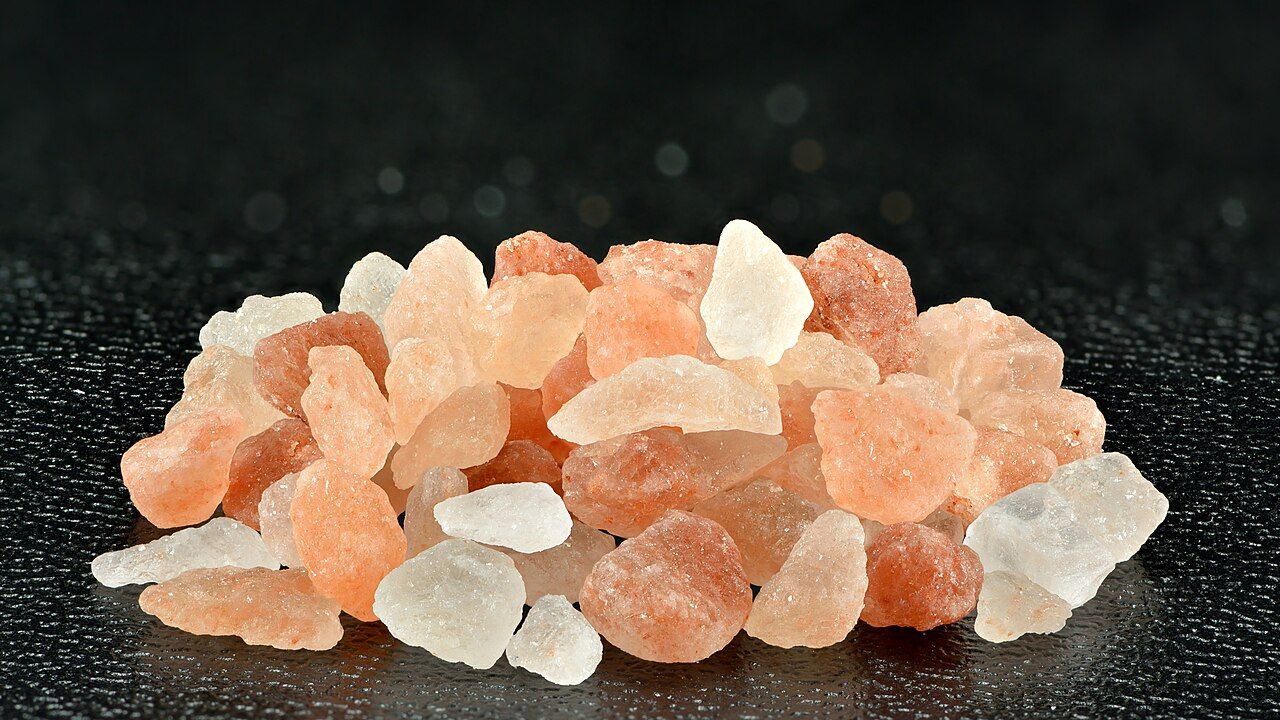
Coarse granules suit grinders, coarse cooking salt and bath & spa salt. They pour cleanly, look premium in a jar, and give the buyer visible crystal size — a selling point on a retail shelf.
Chunks and large crystals
Large chunks are used for salt lamps, tiles and decorative applications, and for buyers who grind to their own specification after arrival.
How to specify a grade
Do not order by "fine" or "coarse" alone. Confirm the grain size in writing before production — ideally with a mesh size or millimetre range — and ask for a sample of that exact grade. A shipment should then be checked against the approved sample before packing, with a batch Certificate of Analysis.
Also confirm whether you need iodized or non-iodized salt, and whether the grade is food grade, feed grade or industrial grade. Each has different handling and documentation.
Our salt range covers food grade fine and coarse, lamps, tiles and bricks, animal lick blocks, bath & spa salt, black salt and industrial salt — all graded to the specification agreed before production.
Related Products
See the products behind these grades: Pink Salt — Fine, Pink Salt — Coarse, Pink Salt — Granules and Bath & Spa Salt. Questions? Request a quotation.